



Updated on: 2026-08-12
Choosing the right mineral sunscreen lotion is a practical decision that affects comfort, consistency, and daily skin protection. Unlike many purely chemical formulas, mineral options rely on physical UV filters to help support broad-spectrum coverage. The best results come from selecting the correct finish, learning how much to apply, and reapplying at the right moments. This guide explains how to evaluate mineral ingredients, match the lotion to your skin needs, and apply it with confidence.
1. What Mineral Sunscreen Lotion Is and Why It Matters
2. Key Benefits of Mineral Sunscreen Lotion
3. How to Choose the Right Mineral Sunscreen Lotion for Your Skin
4. Step-by-Step Guide to Apply Mineral Sunscreen Lotion
5. Common Mistakes to Avoid
6. FAQ Section
7. Summary & Final Thoughts
What Mineral Sunscreen Lotion Is and Why It Matters
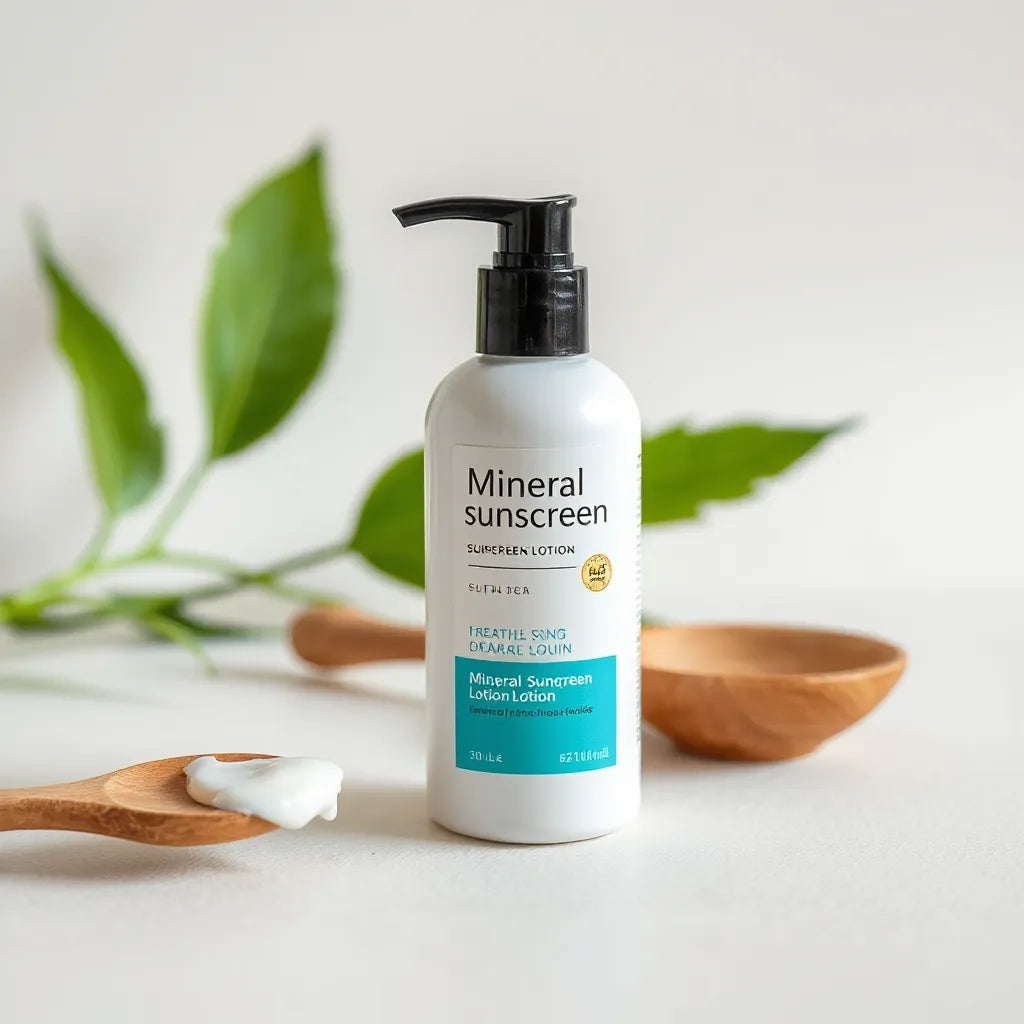
A mineral sunscreen lotion is a sun-protection product that uses mineral UV filters, typically zinc oxide and/or titanium dioxide, to help defend the skin against harmful ultraviolet radiation. These filters work by sitting on the skin’s surface and interacting with UV rays. For many people, that makes mineral formulations feel more predictable, especially for those who prefer skincare that focuses on barrier support and straightforward daily use.
Modern sunscreens also differ in texture, finish, and how easily they spread. Mineral sunscreen lotion is often available in lightweight lotions designed for everyday wear, as well as thicker options for targeted coverage. The core goal is the same: consistent, correct application that supports broad-spectrum protection and helps reduce the risk of sun-related skin damage over time.
For effective use, you should treat sunscreen as a routine product rather than a last-minute add-on. When application becomes automatic, coverage improves and you avoid missed areas. The selection process also matters because your skin type and preferences influence how well you will tolerate and reapply the lotion.
Key Benefits of Mineral Sunscreen Lotion
- Skin-focused formulation: Mineral UV filters are widely used in daily skincare and are commonly chosen by people who want a simpler ingredient profile.
- Compatibility with everyday routines: Lotions are easy to integrate into morning care without disrupting moisturizer or makeup application.
- Visible practicality: Mineral filters often support a clear expectation for coverage when layered correctly, with fewer surprises compared to products that require specialized activation.
- Broad-spectrum approach: When a label indicates broad-spectrum performance, it helps you target both UVA and UVB exposure with one step.
- Flexible finish options: Many mineral lotions are available as natural, matte, or dewy textures so you can match your preferred skin look.

Symbolic UV shield over skincare layers
How to Choose the Right Mineral Sunscreen Lotion for Your Skin
Choosing the right mineral sunscreen lotion requires more than selecting “mineral” on a label. You should evaluate performance indicators such as SPF, broad-spectrum claims, and the product’s feel on your skin. The most effective sunscreen is the one you apply consistently and reapply when needed.
Match SPF to your daily exposure
SPF selection should reflect how much time you spend outdoors and how intense the sun exposure is. For daily errands, many people choose a mid-range SPF that supports reliable coverage throughout the morning. For prolonged outdoor time, higher SPF can improve your buffer. Regardless of SPF, correct application thickness is essential for performance.
Prioritize broad-spectrum coverage
Broad-spectrum labeling typically means protection against UVA and UVB rays. Because UVA exposure can still occur through windows and contributes to long-term skin damage, broad-spectrum coverage is an important criterion for day-to-day wear.
Choose a finish that supports your comfort
Mineral sunscreen lotion can range from thicker and opaque to more translucent and smooth. If you prefer a non-greasy feel, look for terms such as “lightweight,” “non-greasy,” or “fast-absorbing.” If you want extra hydration, you may choose a lotion described as moisturizing. A finish you like encourages consistent use.
Consider your skin type and sensitivities
People with dry skin often benefit from mineral lotions that include emollients and humectants to reduce the feeling of dryness. People with oily or acne-prone skin may prefer oil-free or non-comedogenic positioning and a matte-leaning finish. If you have sensitive skin, look for formulations that emphasize gentle, barrier-supporting ingredients and avoid overly fragranced profiles.
Check how it wears with your routine
A sunscreen that rolls off or becomes patchy after moisturizer can reduce coverage quality. Apply your lotion after cleansing and moisturizing as needed, then observe how it behaves with any makeup you use. If you wear foundation, consider whether the sunscreen leaves a white cast. Many mineral formulas are improving in tone-adapted finishes, but personal compatibility still varies.
Use your environmental needs as a guide
If you spend time near water, sweating, or high-wind environments, reapplication becomes more important. Many mineral lotions are designed for daily use rather than heavy activity, so review the product’s instructions and align expectations with your setting.
Routine support also matters beyond skin care. If you are organizing daily essentials, a protective device accessory can help reduce friction in your lifestyle workflow. For example, you can browse phone protection options here: iPhone cases.
Step-by-Step Guide to Apply Mineral Sunscreen Lotion
Proper application is the foundation of mineral sunscreen lotion effectiveness. The goal is uniform coverage without missed zones. Use the steps below as a repeatable routine for consistent daily protection.
Step 1: Start with clean, dry skin
Cleanse your face or exposed areas, then allow skin to dry fully. If you apply sunscreen to wet skin, it may spread unevenly or dilute product film thickness.
Step 2: Apply moisturizer only if needed
If your skin is dry or feels tight, apply a light moisturizer first. Wait until it settles so the sunscreen layer adheres well. If your skin already feels comfortable, you can use sunscreen directly.
Step 3: Use the correct amount
Apply enough lotion to form a consistent protective layer. Think in terms of full coverage rather than thin smears. Pay attention to commonly missed areas such as ears, sides of the face, the neck, and the hairline.
Step 4: Spread thoroughly, then smooth with care
Massage gently until the layer appears even. Do not rush. If you notice a heavy white cast, you can blend longer and adjust technique, but you should avoid reducing the overall amount to the point that coverage becomes patchy.
Step 5: Allow a brief set time
Many lotions benefit from a short interval before you apply makeup or clothing. A brief set time supports better adhesion and reduces transfer.
Step 6: Reapply based on your exposure
Reapplication is part of sunscreen use, not an optional step. When you spend more time outdoors, reapply to maintain coverage and address areas affected by sweat, wiping, or friction. Keep a small travel bottle for convenience when you can.
Step 7: Protect extra areas
Extend application to the neck, tops of hands, and any area exposed by clothing. For outdoor days, consider using additional protective measures such as hats or sunglasses to complement sunscreen coverage.

Sunlight map showing face, ears, and neck coverage
Common Mistakes to Avoid
Even when people select a high-quality mineral sunscreen lotion, results can fall short due to preventable application errors. Use the following points to improve consistency.
Using too little product
Under-application is one of the most common reasons sunscreen performance does not match the label. Mineral lotions need sufficient layer thickness to deliver intended protection. If you struggle with texture, choose a finish that feels comfortable enough to apply properly.
Skipping reapplication
Daily application is essential, but ongoing exposure can reduce effectiveness over time. Reapply when you spend more time outside or when your skin experiences contact that removes product.
Forgetting “edge zones”
Edges of the face and neck are frequent gaps. The ears, hairline, and sides of the nose often require extra attention. A mindful routine that includes these areas improves coverage significantly.
Applying over unstable skincare layers
If sunscreen is applied on top of highly slippery or recently applied products, it may not bond well. Allow moisturizers to settle, and avoid layering too many products that can cause uneven film formation.
Assuming sunscreen replaces other sun protection
Sunscreen is a key tool, but it does not replace shade, protective clothing, or sunglasses. Combining multiple strategies supports better overall protection.
Expecting identical results across skin tones
Mineral products can behave differently depending on skin tone and the product’s pigment dispersion. A formula that blends well for one person may appear more noticeable on another. The solution is thoughtful selection and technique, not inadequate application.
FAQ Section
Is mineral sunscreen lotion better than chemical sunscreens?
Mineral and chemical sunscreens can both be effective when used correctly. Mineral sunscreen lotion relies on mineral UV filters, while chemical formats use different filter technologies. The best choice is the one that you apply consistently, comfortable with your skin, and that offers broad-spectrum protection at the SPF you need.
Will mineral sunscreen lotion leave a white cast?
Some mineral lotions can leave a visible tone, especially if you apply a thicker layer or if the formula is highly opaque. Many modern products are designed to reduce this effect, but individual skin tone and blending technique still influence the final appearance. Choosing a finish that suits your preference can improve wearability.
How often should mineral sunscreen lotion be reapplied?
Reapplication should follow your level of sun exposure and any product removal from sweating, wiping, or water exposure. When you spend extended time outdoors, reapply to help maintain protective coverage. Always follow the product directions for the most accurate guidance.
Summary & Final Thoughts
Mineral sunscreen lotion is a practical daily option for people who want a straightforward approach to broad-spectrum sun protection. When you select the right SPF, pick a finish that matches your comfort, and apply with adequate coverage across all edge zones, your routine becomes reliable and easier to maintain. For best results, treat sunscreen as a consistent habit and reapply based on exposure. If you want to streamline daily routines, explore more accessories and protective essentials from Tigris and build a system that supports everyday preparedness.
About the Author
Moarmouz is a skincare and consumer care specialist with expertise in product selection, ingredient fundamentals, and routine optimization. Their work focuses on helping readers make practical, evidence-informed decisions that fit real daily schedules. For more guidance on building consistent habits, continue exploring trusted resources from your preferred Shopify content. Thank you for reading.
Share:
MacBook Pro 14 Screen Protector: Fit and Clarity Tips