



Updated on: 2026-06-17
braided nylon cable construction is valued for strength, flexibility, and resistance to everyday wear.
This guide explains what braided nylon cable is made of, why it lasts longer, and where it performs best.
You will also find expert maintenance practices to reduce tangling, kinking, and connector stress.
By the end, you will be able to select the right cable style for devices, travel, and desk setups with clear criteria.
Table of Contents
1. What braided nylon cable is and how it is built
2. Braided nylon cable vs. standard cable materials
3. Key benefits for everyday use
4. Did You Know?
5. Expert Tips
6. Personal Anecdote
7. How to choose the right braided nylon cable
8. Care and maintenance for longer service life
9. Summary & Takeaways
10. Q&A Section
11. About the Author
What braided nylon cable is and how it is built
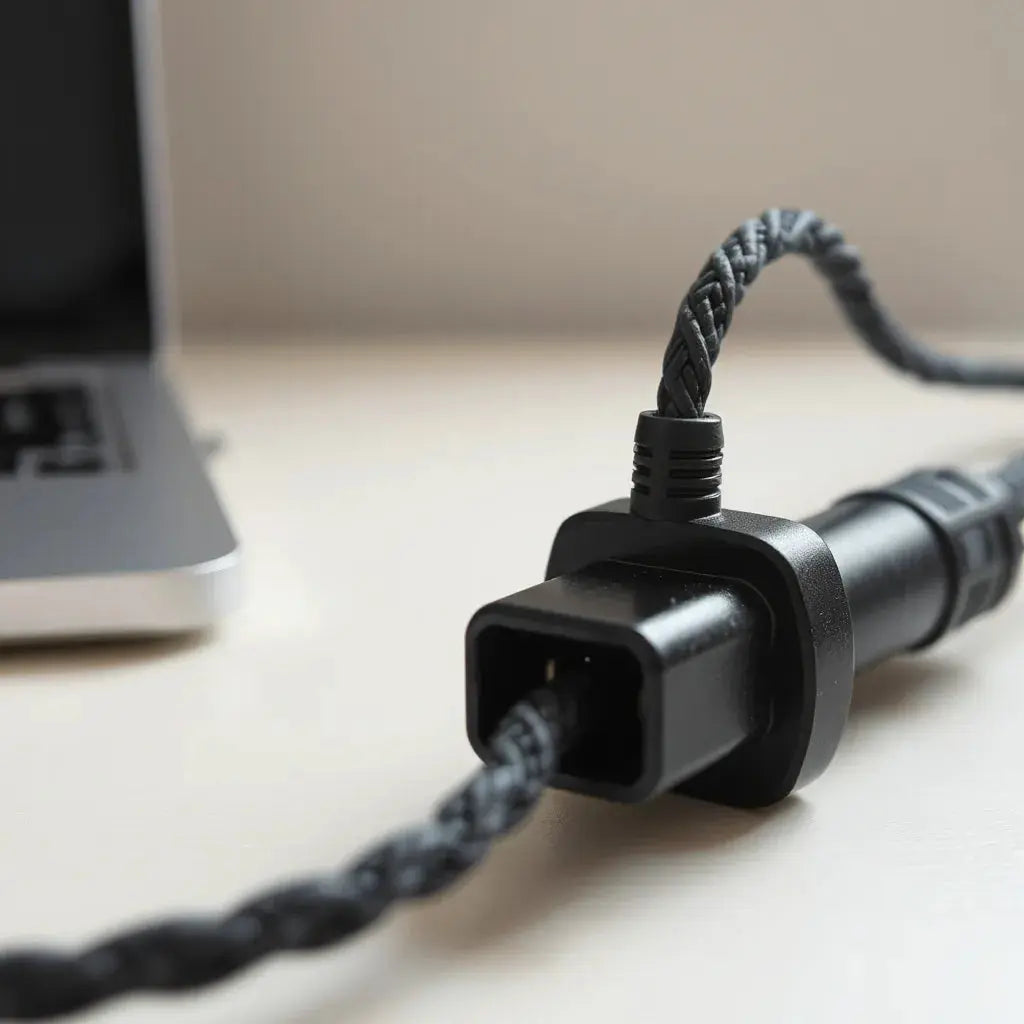
Braided nylon cable is a type of data or charging cable wrapped in a woven outer sleeve made from nylon fibers. The weaving pattern is typically tight enough to create a protective layer while still allowing the cable to bend where needed. Beneath the sleeve, there is usually an insulated wire bundle and then a connector assembly designed to match a specific port type.
The braided sleeve is the part most users notice first. It changes how the cable feels in hand and how it responds when placed into a bag, wrapped around a desk, or moved between rooms. In practical terms, the outer braid helps reduce minor abrasion and improves resistance to fraying compared with simpler smooth-sheath designs.
To evaluate quality, it helps to understand how the braid interacts with the internal conductors. A well-built braided nylon cable will maintain insulation integrity, keep conductor geometry stable, and avoid excessive strain at the connector. Even strong braiding can be damaged if the cable is repeatedly bent sharply near the plug, because connector housings are more sensitive to mechanical stress than the sleeve itself.

Concept diagram of woven sleeve protecting internal wires
Braided nylon cable vs. standard cable materials
Many cables are built with either a smooth plastic jacket or a simple rubber-like exterior. Those designs can be effective, but they often show scuffs sooner and may be more prone to surface cracking when used frequently in tight bends or high-abrasion environments.
Braided nylon cable typically offers a distinct balance: stronger surface protection and better grip, which can reduce accidental slipping from tables or desks. The braid can also make the cable less likely to snag on soft fabric. However, the trade-off is that some braided designs can feel stiffer than fully flexible jackets, especially when the braid is dense.
Another difference is tangling. Braided cable sleeves can sometimes resist curling and offer more predictable handling, but they may also develop loops if stored loosely. This is not a defect; it is a storage behavior. With consistent coiling and the right cable management habits, braided cables can remain easier to pack than many people expect.
For shoppers, it is also useful to compare connector hardware. A durable braided sleeve will not compensate for weak strain relief or a fragile connector. The best braided nylon cable solutions use reinforced transitions near the plug so bending forces are distributed away from the wiring and into the connector housing.
Key benefits for everyday use
Users choose braided nylon cable designs for practical reasons. The strongest benefits are visible during repeated handling, travel, and desk use where cables move daily.
- Improved abrasion resistance: The woven sleeve can resist scuffs from everyday friction with bags, desks, and fabric surfaces.
- Better handling feel: The textured exterior can reduce slipping and provide more controlled routing.
- Reduced fraying risk: A woven outer layer can help slow damage to the cable jacket.
- More predictable bending: A well-engineered braid supports controlled flexibility without collapsing under normal movement.
- Strain relief emphasis: Quality designs reinforce the cable-to-connector transition, which is where failures often begin.
When selecting a cable for devices, it is also important to consider charging needs and data transfer requirements. A braided sleeve supports physical durability, but performance depends on the internal wiring, shielding, and the compatibility between cable and device. For example, fast charging and stable data transfer require correct conductor design and connector specification, not only a strong outer braid.
If you are building a device setup, you may also benefit from protective accessories that reduce screen wear and device exposure. For instance, consider pairing durable cables with screen protection such as an anti-glare screen protector to keep your workspace tools looking professional and clean.
Did You Know?
- Braiding changes the cable’s surface texture and grip, not the underlying electrical function.
- Most early cable failures start near connectors due to repeated bending and pulling.
- Proper coiling reduces stress on internal conductors and helps prevent premature weakening.
- Dense braids can feel firmer, which can improve routing control at a desk.
- Connector strain relief is often the differentiator between “durable” and “short-lived.”
Expert Tips
Experts who focus on consumer electronics durability recommend a few habits that significantly improve long-term cable performance.
- Protect the connector zone: Avoid repeated bending within a short distance of the plug. Route the cable so the bend happens farther from the connector.
- Use gentle storage: Coil the cable loosely with smooth loops. Do not clamp it with tight bands that can compress the braid.
- Avoid tugging: When unplugging, hold the connector body. Pulling on the cable sleeve transfers stress to internal joints.
- Separate from high-heat sources: Heat softens many cable materials over time. Keep chargers and hubs away from direct airflow from heaters.
- Match the port specification: Use cables that match the device port and intended function. The sleeve does not correct incompatibility.
If you maintain a clean workspace, you can also reduce micro-abrasions from contact with metal edges and rough surfaces. A tidy desk combined with consistent cable routing often extends service life more than people expect.
Personal Anecdote
In a home office setup, I used the same charging cable for both daily work and travel. Over time, I noticed that the cable sleeve looked fine while the connector area became the problem. The failure was not sudden; it happened gradually through intermittent connections and slower charging. When I replaced it, I selected a braided nylon cable because I wanted more abrasion resistance in a bag and better control when routing across a desk.
The improvement was immediate in day-to-day handling. The braided exterior felt more secure when laid against fabric and it tolerated repeated packing without developing visible jacket wear as quickly. More importantly, I changed my habits by unplugging by the connector body and by coiling with a consistent loop size. That combination made the difference and reinforced the idea that cable durability is both material quality and usage behavior.
How to choose the right braided nylon cable
Not all braided cables are equal. Selecting the right braided nylon cable requires looking at more than the sleeve appearance. Use the following criteria to make a confident choice.
1. Verify port and device compatibility
First confirm the connector type matches the device port. If you use a phone, tablet, laptop, or accessories hub, verify the cable supports the required standard and that it is designed for the exact connector geometry. Compatibility matters for both charging and data transfer stability.
2. Evaluate connector strain relief and build quality
Inspect the transition between the braided sleeve and the connector housing. A quality cable typically has reinforced strain relief that reduces stress concentration. If the braid stops abruptly or the connector looks loosely integrated, the cable may fail sooner even if the sleeve appears strong.
3. Consider flexibility needs for your routine
Desk routing may benefit from a slightly firmer cable that stays in place. Travel may benefit from a cable that bends smoothly without kinks. Choose a braid density that matches your movement patterns rather than chasing stiffness alone.
4. Confirm performance requirements
Do not assume that a braided sleeve guarantees higher data speeds or charging power. Electrical performance comes from conductor design, shielding, and compliance with the relevant specification. Review product documentation and compatibility notes to confirm that the cable meets your intended use.
5. Choose the correct cable length
A longer cable can support flexible placement, but excess length can cause more tangling. A shorter cable can reduce loops and connector stress if your devices are close. Select length based on where the cable will run and whether you will use a dock or adapter.

Checklist icons: ports, strain relief, flexibility, length
Care and maintenance for longer service life
Durability is a system. Proper care protects the braid and the internal wiring, and it reduces the mechanical stress that causes intermittent performance.
- Clean the exterior carefully: Use a dry cloth to remove dust and lint. Avoid soaking the cable because moisture can affect connector contacts.
- Manage heat exposure: Keep charging accessories ventilated and avoid leaving cables under insulation blankets.
- Use organized storage: A simple cable sleeve or velcro strap can prevent abrasion and reduce tangling. Choose storage methods that do not compress the connector zone.
- Do not force tight bends: When routing around corners, allow gradual curves. Sharp folds can stress internal insulation.
- Inspect regularly: Look for sleeve fraying, exposed fibers, discoloration near the connector, or looseness in the plug. Early changes are easier to address.
If your workflow includes multiple devices, it can help to standardize cable types so you can swap quickly without repeated handling of fragile adapters. For example, protective cases for devices reduce the need for frequent connector repositioning. You can also explore device protection options like iPhone cases to keep your primary device stable and less likely to shift while connecting cables.
Featured product example
Below is a product example that illustrates how a specification-aligned cable can support practical daily use. This example is included to help you connect selection criteria to a real product format.

USB 3.1 USB Type-C OTG Cable
If you need a reliable connection for compatible devices, you may consider this cable option: USB Type-C OTG cable.
Summary & Takeaways
Braided nylon cable designs offer a strong mix of protection and handling control. The woven sleeve improves resistance to everyday abrasion, but the most important durability factor is often the connector strain relief and how the cable is used. By selecting compatible connectors, choosing an appropriate length, and avoiding sharp bends near the plug, you can reduce intermittent connection problems and extend service life. Pair good cables with sensible accessory habits and clean workspace routing for the most reliable results.
- Prioritize connector strain relief, not only sleeve appearance.
- Route and coiling methods matter as much as cable materials.
- Match cable specifications to your device port needs.
- Inspect connectors for early warning signs and replace when necessary.
Q&A Section
Is a braided nylon cable more durable than a standard jacket cable?
In many everyday scenarios, braided nylon cable offers better resistance to abrasion and jacket wear. Durability depends on build quality, especially connector strain relief. A well-constructed braided cable is often more resilient, but usage habits and connector handling still play a major role.
Can braided nylon cable prevent charging issues?
Braiding improves physical durability, but it does not automatically solve charging problems caused by incompatibility, worn connectors, or device port faults. If you experience intermittent charging, check for connector loosening, lint buildup in the port, or the need for a correct specification cable.
How should I store braided nylon cable to avoid damage?
Coil the cable loosely and avoid sharp folds. Do not compress the connector area with tight ties. Store it in a clean, dry place to minimize dust and lint contact with connector contacts.
What is the best way to unplug a cable to extend its life?
Hold the connector body and pull straight out. Avoid pulling on the braided sleeve. When possible, reduce repeated bending movements at the connector zone by routing the cable so that natural loops form farther from the plug.
About the Author
Moarmouz
Moarmouz is a professional content contributor focused on device accessories, cable reliability, and practical maintenance guidance for everyday electronics. The expertise emphasizes durable design evaluation, clear compatibility standards, and user habits that reduce wear over time. For long-term reliability, the best outcomes come from pairing correct specifications with careful handling. Thank you for reading, and choose solutions that match your devices and routines.
Disclaimer: This article is for general informational purposes only and does not provide warranties or guarantees. Cable performance varies by device compatibility, port specifications, and user handling. Always verify product documentation for supported standards and safe usage instructions.
Share:
Tablet Shoulder Bag Essentials for Everyday Carry
Must-Have iPhone 14 Pro Accessories for Daily Use