



Updated on: 2026-08-21
Why Aromatherapy Essential Oils Matter
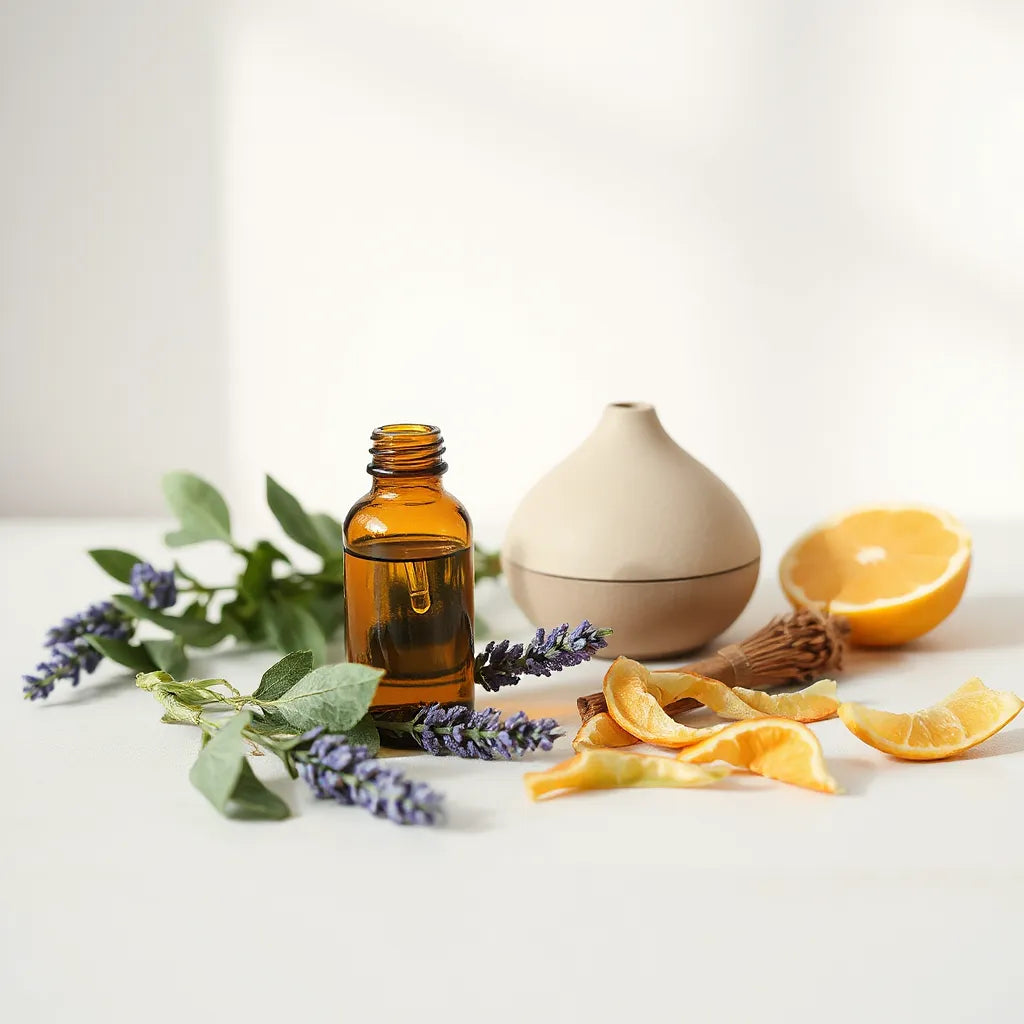
Aromatherapy essential oils are concentrated plant extracts designed to support sensory experiences through scent. Unlike fragrance blends that may rely heavily on synthetic notes, essential oils are typically derived from botanicals and used to create atmosphere, promote relaxation rituals, and enhance daily routines.
In practice, aromatherapy is less about chasing dramatic outcomes and more about building consistent, intentional habits. When you select a scent profile you enjoy and apply it with care, you can use aromatherapy essential oils to influence mood perceptions, comfort, and perceived freshness in your environment.

Essential oil bottles and diffuser icons
Key Benefits of Aromatherapy Essential Oils
- Personalized ambiance: You can choose scent families that match your preferences, whether you favor fresh, woody, citrus, or floral character.
- Routine support: Consistent scent cues can make it easier to transition between work, rest, and recovery moments.
- Versatile usage: Aromatherapy essential oils can be used in diffusers, steam inhalation setups, or diluted topical applications when appropriate.
- Environment enhancement: Proper use can refresh spaces and help you create a calming or energizing mood within a room.
- Simple blending: Essential oil combinations allow you to design a fragrance profile that is uniquely yours.
For a different kind of home enhancement concept that also supports everyday protection, you may explore Kalon Theory. In this article, the focus remains on essential oil aromatherapy practices and responsible handling.
Step-by-Step Guide to Using Aromatherapy Essential Oils Safely
Choose quality oils with clear sourcing
Start with oils you trust. Look for information on botanical origin, extraction method, and safety guidance from the supplier. Quality aromatherapy essential oils typically provide transparent labeling and avoid ambiguity about what is inside the bottle.
When you purchase, confirm that the scent notes align with your intent. For example, citrus-leaning profiles often feel bright, while woody or herbal profiles often feel grounding. Your preference matters because aromatherapy begins with consistent enjoyment and sensory familiarity.
Understand dilution and skin contact rules
Essential oils are highly concentrated. If you plan to use them on skin, dilution is generally necessary. Use a carrier oil such as jojoba, sweet almond, or grapeseed oil, and follow the safety guidance provided for your specific oils.
A responsible approach includes patch testing and avoiding sensitive areas. If you experience irritation, discontinue use and reassess dilution and frequency. It is also wise to keep oils away from eyes, mucous membranes, and areas of broken skin.
Pick an application method that fits your goal
Different methods create different sensory results. Choose based on your environment and comfort level:
- Diffusers: Good for room ambiance and consistent scent presence.
- Topical, diluted: Useful for personal routine rituals, such as applying a small amount to wrists or shoulders.
- Steam inhalation setups: Often selected by users seeking direct scent stimulation, with appropriate caution and safe spacing.
When selecting a method, consider ventilation, sensitivities, and time. Short sessions are usually easier to tolerate than long, continuous scent exposure.
Start small and evaluate results
Even when an aroma feels appealing, intensity can be higher than expected due to the concentration of essential oils. Begin with a modest amount, observe comfort, and adjust gradually.
Track your own response rather than relying on trends. If the scent feels too strong, reduce the dose. If it disappears quickly, you can increase gradually. A measured approach improves both safety and satisfaction.
Store properly and maintain your tools
Keep essential oils away from heat, direct sunlight, and excessive moisture. Store bottles tightly capped. For diffusers, clean the device regularly so residue does not alter the fragrance character or create unwanted buildup.
Clean tools also help preserve scent clarity. Over time, residue can blend notes in ways that no longer match your original intention.

Dropper measuring guide and diluted blend swirl
Aromatherapy Blend Ideas for Everyday Intentions
Blending is where aromatherapy becomes personal. The aim is not complexity for its own sake. Instead, combine oils with complementary scent families and apply in a controlled, diluted manner when topical use is intended.
Before you blend, decide on the sensory outcome you want: a bright lift, a soothing atmosphere, or a calm transition into rest. Then build your blend around one dominant note and one or two supporting notes.
Breathing-focused routines
If you want a scent profile that feels crisp and airy, consider blends that include uplifting top notes such as citrus or light herbals. Many users choose a combination strategy where a fresh note provides the first impression, and a softer background note supports the overall character.
- Top note: Choose a bright, citrus-leaning oil for immediate lift.
- Support note: Add a gentle herbal or green profile to round out sharpness.
- Balance: Keep the total dose modest to maintain comfort.
Use a diffuser or a controlled steam approach, following safety guidance for your chosen method and oils.
Focus and clarity moments
For work or study time, people often prefer profiles that feel clean, structured, or energizing. Think in terms of scent architecture: a fresh opening, a stable heart, and a lingering base that feels steady rather than overpowering.
- Fresh opening: Select a light citrus or aromatic herb note.
- Heart: Choose a refined herbal or lightly woody note to add structure.
- Base: Use a subtle grounding note so the scent remains present but not distracting.
For best results, keep room scent exposure consistent. If your workspace is small, use shorter diffuser sessions to avoid scent fatigue.
Evening reset practices
A restful blend often prioritizes comfort and softness. Users frequently select calmer scent families such as warm woods, gentle florals, or mellow herbal profiles. The goal is a transition cue that signals the end of active time.
- Warm foundation: Choose a grounding base with a soft, lingering character.
- Gentle lift: Add a light floral or herbal note to prevent heaviness.
- Low intensity: Keep the aroma subtle, especially in bedrooms.
Apply diluted oils using a method that aligns with safety guidance, and consider ventilating the room if you plan to diffuse for extended periods.
Common Mistakes When Using Essential Oils
Most negative experiences with aromatherapy essential oils come from preventable errors. Avoid these common issues to improve safety and satisfaction.
- Overuse: Strong scent does not equal better results. High intensity increases discomfort risk.
- Skipping dilution: Concentrated oils can be harsh on skin. Use appropriate carrier oils and follow safety guidance.
- Ignoring individual sensitivities: People vary. If you share a space, consider ventilation and lower exposure levels.
- Using incompatible practices: Some methods require extra caution. Match your approach to the oil and method, and do not improvise.
- Not cleaning equipment: Residue can change the fragrance and reduce predictability.
Also, be cautious with pets and indoor airflow. If you have pets at home, use diffusers thoughtfully and follow guidance for safe household exposure.
FAQ Section
How do I choose the right aromatherapy essential oils for my goals?
Begin with your scent preference, then align it with your intended routine. For energizing moments, select bright or aromatic profiles. For relaxation routines, choose softer, warmer, or gentler scent families. When possible, test one oil or a simple blend at a low intensity and adjust based on your personal response.
Are aromatherapy essential oils safe to use around children or pets?
Safety depends on the method, oil type, and exposure level. Essential oils are potent, and sensitivities vary widely. If children or pets are present, use lower intensity, ensure strong ventilation, and follow manufacturer safety directions for each oil and device. Consider avoiding direct diffusion in shared spaces if you are unsure.
What is the safest way to apply essential oils on skin?
For topical use, dilute essential oils in a suitable carrier oil and follow the guidance provided by the supplier for the specific oil. Perform a patch test, avoid sensitive areas, and discontinue use if irritation occurs. If you are pregnant, nursing, or managing specific health conditions, consult a qualified healthcare professional before topical use.
Summary & Final Thoughts
Aromatherapy essential oils can support everyday rituals by adding consistent, intentional scent cues to your environment. When you choose quality oils, dilute responsibly for skin use, and select appropriate methods such as diffusing or steam approaches, you create a safer and more enjoyable experience. If you want a more predictable routine, start with a small dose, monitor comfort, and adjust gradually.
If you are building a home care routine, consider pairing scent practices with practical organization and protection for your daily items. For example, you may review phone and screen protection options such as anti-glare screen protectors to keep your workspace clean and comfortable while you enjoy your aromatherapy rituals.
About the Author Section
Moarmouz is a home fragrance and wellness content specialist who focuses on safe, practical guidance for using aromatherapy tools in daily life. With expertise in scent education, blending fundamentals, and responsible handling, they help readers make informed choices. Thank you for reading and applying these principles with care and confidence.
Disclaimer: This article is for general educational purposes only. It does not replace professional medical advice, diagnosis, or treatment. Always read labels and follow safety guidance provided for each essential oil and usage method. If you have concerns or experience adverse reactions, stop use and seek qualified guidance.
Share:
Gentle Exfoliating Scrubs for Brighter, Smoother Skin