

Updated on: July 29, 2026
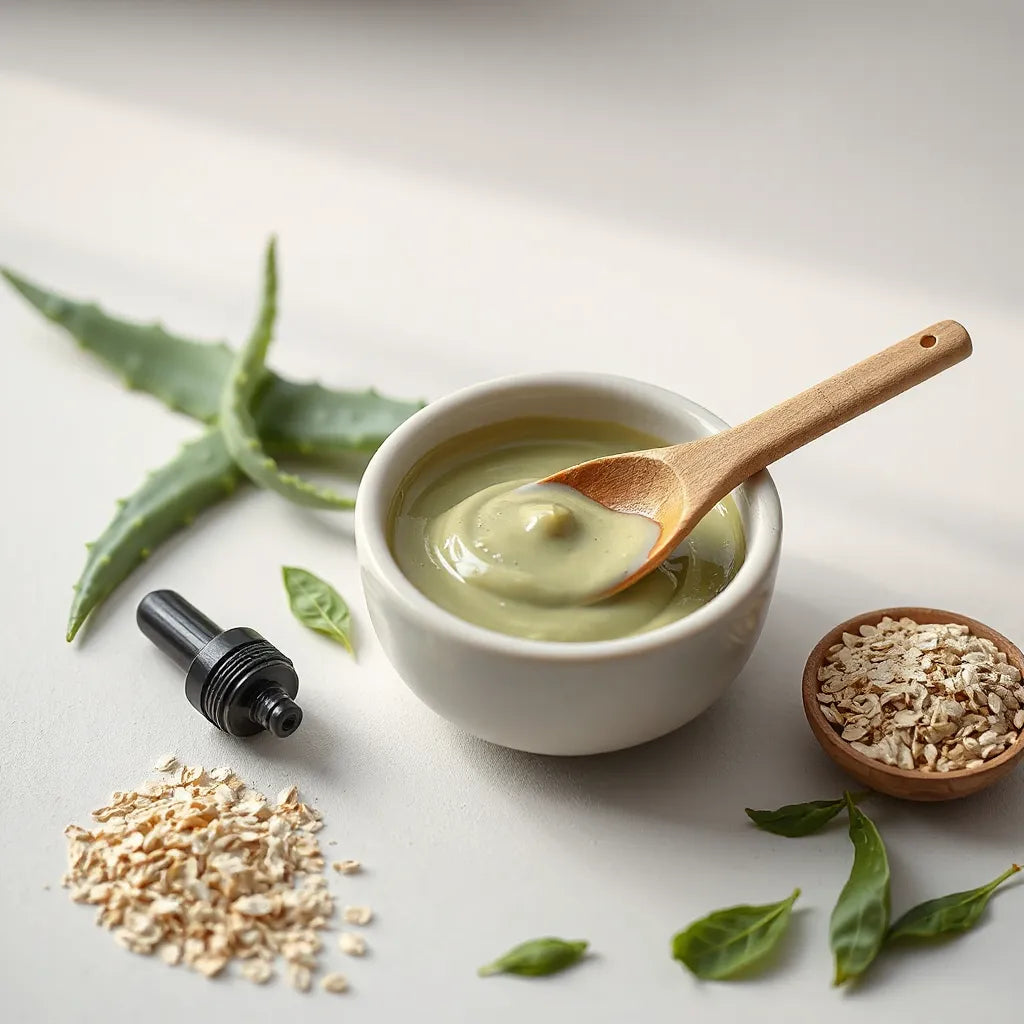
Plant-based face masks have become a practical alternative for people who want a gentler approach to skin care. They are commonly made with ingredients derived from plants such as clays, botanical oils, and plant extracts. When chosen carefully, they can help support a routine focused on cleansing, comfort, and hydration. The key is selecting a mask that matches your skin type and using it consistently with proper aftercare.
Table of Contents
- How to Choose Plant-Based Face Masks for Your Skin Type
- Key Benefits of Plant-Based Face Masks
- Step-by-Step Guide to Using Plant-Based Face Masks
- Ingredient Breakdown: What to Look For
- Common Mistakes to Avoid
- Sustainability and Skin Sensitivity Considerations
- FAQ Section
- Summary & Final Thoughts
How to Choose Plant-Based Face Masks for Your Skin Type
Plant-based face masks are not one-size-fits-all. Your skin type and current concerns should guide your choice. For example, dry skin often benefits from masks that emphasize soothing emollients and gentle hydration. Oily or combination skin may respond better to formulas that focus on cleansing and oil balance, often using clays or absorbent powders.
Start by identifying your skin category. Then match the mask to your primary goal. If your skin feels tight after cleansing, prioritize comfort and moisturization. If you notice visible oiliness later in the day, consider masks designed to support deeper cleansing without harshness.
Also evaluate ingredient compatibility. Plant-derived does not automatically mean universal. Sensitive skin can react to certain botanicals, essential oils, or high-fragrance blends. If you are prone to redness or irritation, look for masks with a short, clear ingredient list and fewer active botanicals.

Mind map of skin types and mask goals
Key Benefits of Plant-Based Face Masks
- Comfort-focused routines: Many formulations aim to support a softer feel after cleansing, which can be valuable for daily skin management.
- Gentle cleansing support: Ingredients like clays and mild plant-based surfactant systems can help remove excess oil and impurities.
- Barrier-friendly options: Some masks include plant-derived lipids and humectants that help reduce the appearance of dryness.
- Improved texture appearance: Consistent use can support smoother-looking skin through regular exfoliation and hydration (when formulated for that purpose).
- Routine variety: Plant-based formulas make it easier to rotate mask types based on season and skin needs.
Step-by-Step Guide to Using Plant-Based Face Masks
1) Cleanse and prep the skin
Begin with a gentle cleanser suited to your skin type. Pat your face dry with a clean towel. If you wear sunscreen or makeup, remove all residues thoroughly. Masks work best on skin that is free from lingering oils or makeup particles.
2) Perform a quick patch test
Even plant-based ingredients can cause reactions. Apply a small amount behind the ear or along the jawline and wait for the next day. If no irritation appears, you can proceed.
3) Apply evenly and avoid sensitive areas
Use clean hands or a soft application tool. Spread the mask in an even layer, leaving the immediate eye area and corners of the nose free. A thin, consistent layer generally performs more reliably than a thick coat.
4) Follow the recommended contact time
Do not exceed the directions on the label. Overexposure can increase dryness or irritation, especially with masks that use clays or botanical actives. If the mask begins to feel uncomfortably tight, rinse sooner.
5) Rinse with lukewarm water and apply aftercare
Rinse using lukewarm water to reduce friction. Finish with a hydrating toner or essence, then apply a moisturizer. If you use an eye cream, apply it after your moisturizer. In the daytime, protect with sunscreen to maintain skin comfort and prevent dullness.
6) Set a consistent schedule
Most routines benefit from a mask frequency of one to two times per week. Adjust based on your skin response. If your skin feels dry, reduce frequency. If it remains comfortable, you can keep a steady cadence.
For a more structured skincare routine, you can also explore how device cleanliness supports your overall skin environment. For example, consider protecting your screen to minimize grime exposure on frequently touched surfaces.
If you maintain a tidy workspace, it can be easier to stay consistent. You may find useful ideas at MRC WEAR.

Routine flow from cleansing to moisturizer
Ingredient Breakdown: What to Look For
Plant-based face masks typically use a combination of base materials, soothing agents, and functional extracts. Understanding common categories helps you choose with confidence and avoid unnecessary complexity.
Clays and absorbent powders
Clays can support oil control and help lift impurities from the skin surface. They are often used in masks for oily, combination, or congestion-prone skin. If you have dry or mature skin, look for formulations that include moisturizing co-ingredients to limit over-drying.
Botanical oils and plant lipids
Oils derived from plants can support comfort and help reduce the sensation of tightness. Examples include sunflower-type emollients, plant-derived squalane, and other conditioning lipids. For sensitive skin, choose masks that prioritize simple, stable emollients rather than heavy fragrance blends.
Humectants for hydration
Humectants attract and hold water in the upper layers of the skin. Many plant-based formulas pair botanical extracts with skin-friendly hydration supports. Masks that include glycerin-like hydrators or aloe-type soothing agents can feel more comfortable, particularly during seasonal dryness.
Soothing extracts
Botanical extracts often contribute to a calmer skin feel. Look for calming labels such as soothing, comforting, or redness-supporting claims that remain within responsible boundaries. Avoid assuming that every extract will suit every skin type. If you have a history of sensitivity, select masks with fewer active botanicals.
Exfoliating components
Some masks include gentle exfoliation. This may come from plant-derived acids, enzyme-like systems, or physical polishing agents. Exfoliation can improve the look of texture over time, but it can also increase dryness if overused. For your routine, treat exfoliating masks as a deliberate step rather than a frequent default.
If your goal is overall clarity and balanced comfort, you may want to alternate a clay-based mask with a hydrating plant-based option. This approach supports different needs without pushing the skin too hard.
Common Mistakes to Avoid
- Overusing clay masks: Frequent use can lead to dryness and flaking. Choose a schedule that matches your skin response.
- Ignoring irritation signals: Burning, persistent redness, or itching suggests incompatibility. Rinse promptly and stop use.
- Applying to unclean skin: Masks are designed to interact with clean surface conditions. Makeup residue can reduce effectiveness.
- Skipping aftercare: Moisturizer helps maintain hydration after rinsing. Without it, skin may feel tight.
- Using too much product: Excess product can dry unevenly and increase the chance of uncomfortable contact time.
A practical strategy is to document results. Track how your skin feels before and after each use. After several trials, you can refine your selection of plant-based face masks and frequency.
Sustainability and Skin Sensitivity Considerations
Many consumers choose plant-based face masks because they align with personal values around sourcing and environmental responsibility. While plant-origin ingredients can support sustainability goals, it is still important to evaluate packaging, formula stability, and responsible manufacturing standards.
From a skin perspective, the most relevant factor is compatibility, not ingredient origin alone. A mask can be plant-based and still contain components that irritate certain users. If you have a sensitive complexion, prioritize fragrance-free options and shorter ingredient lists when available.
For those who want a more comprehensive routine, keep in mind that skin comfort depends on multiple variables, including cleanser strength, water temperature, and moisturizer texture. If your skin becomes reactive, reduce complexity. Keep your regimen consistent while you test one change at a time.
Additionally, consider how you store masks. Light, heat, and air exposure can degrade some botanical extracts. Follow label instructions for storage and discard products if you notice changes in color, odor, or texture.
FAQ Section
Are plant-based face masks suitable for sensitive skin?
Often, they can be compatible with sensitive skin when the formula is designed for it and the ingredient list is not overly complex. However, plant-based ingredients can still trigger reactions in some people. Use a patch test and stop use if irritation occurs.
How often should I use a plant-based face mask?
Many routines use one to two sessions per week. Your frequency should match your skin response and the mask type. Clay-based formulas usually require less time and less frequent use if dryness appears.
Can I use a plant-based face mask with an exfoliating toner?
Yes, but timing matters. If your toner includes exfoliating acids or active ingredients, avoid stacking too many exfoliants in the same routine. A safer approach is to alternate days and observe how your skin reacts over several uses.
Summary & Final Thoughts
Choosing plant-based face masks is best approached with a clear goal, a matching skin type, and careful attention to contact time and aftercare. When you select a formula that supports your needs and avoid common overuse errors, masks can become a reliable part of a balanced skincare routine. If you want to refine your selection, start with one mask type, test it consistently for several sessions, and prioritize comfort over trend.
For ongoing routine support, revisit your cleanser and moisturizer pairing and adjust frequency as needed. A thoughtful, repeatable approach will deliver the most dependable results.
About the Author Section
Author: Moarmouz is a skincare and e-commerce content specialist focused on ingredient education, routine design, and consumer-first guidance. With expertise in formulation literacy and practical shopping research, they help readers choose products responsibly. For further learning, review ingredient categories and match them to your skin goals. Thank you for reading and for committing to an informed skincare routine.
Disclaimer: This article is for informational purposes only and does not provide medical advice. Individual results vary. If you experience persistent irritation or have a skin condition, consult a qualified healthcare professional before changing your routine.
Share:
How to Pick a Screen Guard for MacBook Air M4