

Updated on: 2026-07-19
Natural hair care solutions can help you build a routine that supports softness, manageability, and long-term scalp balance. When you choose ingredients with a clear role in cleansing, conditioning, and sealing moisture, you reduce trial-and-error and improve consistency. This guide explains how to select products for your hair type, how to avoid common mistakes, and how to create a simple schedule you can maintain. You will also find practical tips for detangling, protecting styles, and tracking results without overreacting to short-term changes.
Table of Contents
Why natural hair care solutions matter
Natural hair care solutions are often pursued for a simple reason: hair responds best to routines that feel consistent, gentle, and intentional. Unlike a random mix of products, a nature-forward approach focuses on the interaction between scalp, hair fibers, and moisture. The result can be healthier-looking hair with fewer setbacks such as dryness, tangling, or buildup that interrupts styling.
In practice, “natural” does not mean “perfect for everyone.” It means you can select ingredients that align with your hair needs while you control the frequency, application method, and follow-through. If you are trying to improve texture, reduce frizz, or support shine, the best place to start is with a routine that covers three fundamentals: cleansing, conditioning, and moisture sealing. When these steps work together, your hair is more likely to feel manageable and look balanced over time.
A routine that changed everything
I once reviewed a client’s wash routine and noticed a pattern that many people recognize: cleansing happened, but conditioning was either inconsistent or applied too lightly. The client also used heavy products immediately after washing, which left hair feeling coated instead of soft. Every style looked good for a day, then the hair flattened, tangled more easily, and felt rough again.
We adjusted the routine by treating hair like a system. First, we clarified the scalp only when needed, then we used a conditioner formulated to detangle and improve slip. After that, we applied a small amount of moisturizer, then sealed the ends with a light layer. The change was not dramatic in a single wash. The improvement became clear after several consistent cycles: fewer snags during detangling, more uniform curl or wave definition, and a smoother feel through the ends.
Key advantages of a nature-forward routine
- Better moisture balance: A consistent sequence of cleanse, condition, and seal can reduce the “dry then coated” cycle.
- Improved detangling: Conditioning for slip can make combing and finger detangling less stressful.
- Scalp support: When you cleanse appropriately for your scalp, you can reduce the buildup that affects hair growth environments.
- More predictable styling: Hair that is hydrated and protected tends to hold styles more evenly.
- Reduced guesswork: Fewer product types in the routine makes it easier to identify what helps and what does not.

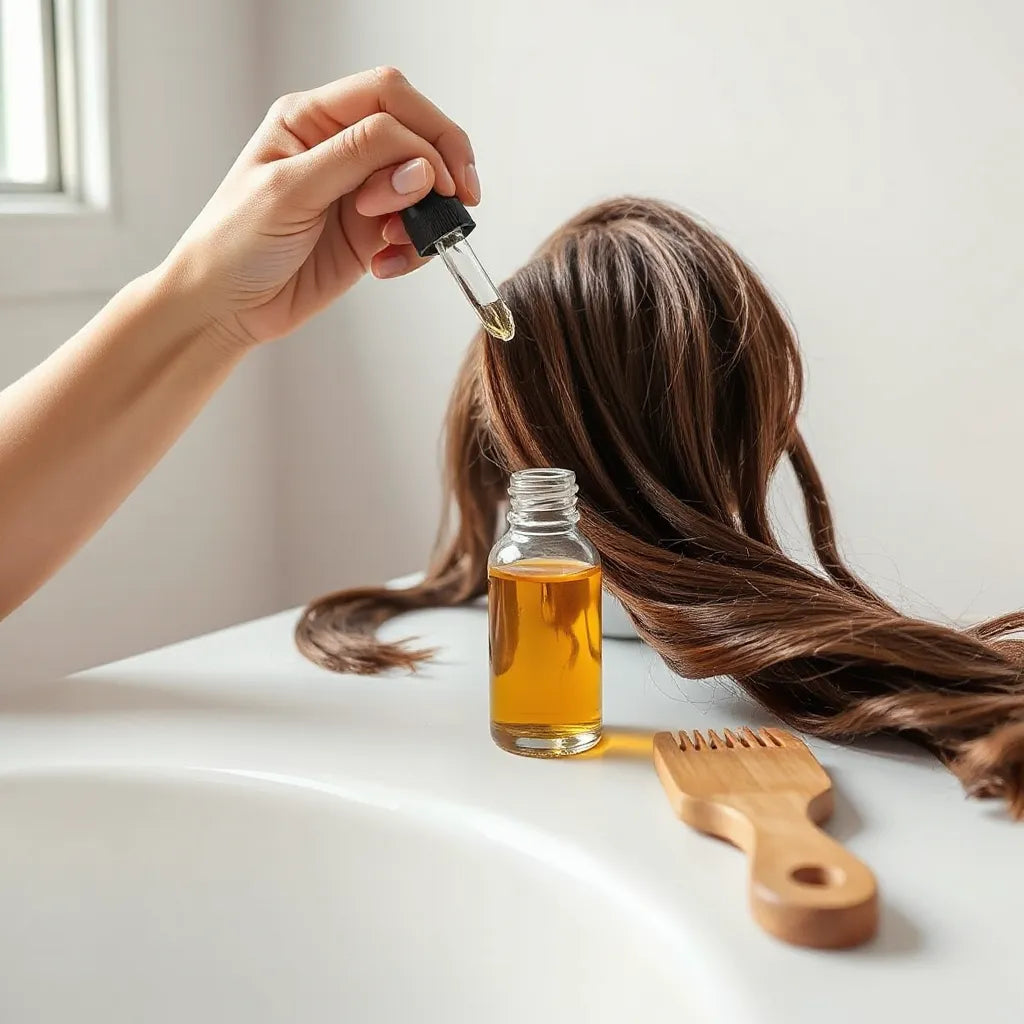
Three-step wash routine flow and moisture stages
What to look for in natural hair care solutions
Choosing natural hair care solutions becomes easier when you evaluate ingredients by function rather than by label. Focus on what each product is designed to do in your routine. A shampoo, for example, is primarily for cleansing. A conditioner is for detangling and softness. A leave-in or cream is for hydration and surface smoothing. A sealant helps reduce moisture loss. When each role is clear, you can build a routine that works with your hair type.
1) Cleansing that matches your scalp needs
Look for formulas that cleanse without leaving the hair stripped. If your scalp is prone to buildup or you use styling products frequently, you may need a more thorough cleanse occasionally. If you are sensitive or your hair tangles easily, you may prefer a gentler cleanse more often. The goal is to maintain a scalp that feels comfortable and hair that does not feel brittle after washing.
2) Conditioning for slip and softness
Conditioners that support slip can make a significant difference in how easily you detangle. Pay attention to how your hair feels while rinsing. If hair feels tangled or “draggy” under water, the conditioner step needs adjustment. If hair feels silky and easier to comb, you are likely aligning the product with your routine.
3) Moisturizing that targets ends first
Most moisture needs start at the ends, where older hair fibers can feel roughest. Choose moisturizers that spread well and do not require heavy amounts. More is not always better. If you apply too much, you can create product buildup that weighs hair down and dulls shine.
4) Sealing that reduces moisture loss
Seals and oils can be useful, especially for hair that dries quickly or for climates where humidity swings are common. Apply lightly, focusing on the mid-lengths and ends. Avoid coating the scalp unless a product is specifically intended for that area. A light layer can support a softer feel without leaving hair greasy.
5) Ingredients that suit your hair texture
Curly, coily, wavy, and straight textures can all benefit from natural hair care solutions, but each may respond differently. Fine hair may need lighter moisturizing. Coarse hair may need more slip and surface smoothing. Use your senses as feedback: softness, ease of detangling, and how your hair behaves after drying are reliable indicators for routine fit.
For a broader perspective on how protective and maintenance choices can support daily hair routines, you may also consider how screen accessories and general care products reduce friction and wear for other items. While these are not hair products, the maintenance mindset is similar. For example, you can explore anti-glare screen protectors to understand how protective layers reduce stress from daily use.
Quick tips for everyday success
- Work in sections: Detangling and applying conditioner in smaller areas improves coverage and reduces tugging.
- Use the right water temperature: Warm water can help cleansing. Cool water rinses can add surface smoothness.
- Prioritize detangling during conditioning: Detangle while hair is coated with conditioner for better slip.
- Do not over-clarify: Frequent deep cleansing can increase dryness. Adjust frequency based on your scalp and styling habits.
- Apply moisturizer to damp hair: Moisturizing on damp hair supports more even hydration.
- Seal only where needed: Concentrate on the ends and mid-lengths to reduce heavy buildup.
- Take notes: Track wash dates, product changes, and how hair feels after drying. Small notes improve future decisions.
Protecting hair between washes
Natural hair care solutions can perform better when you protect hair from friction and dryness between wash days. Many hair problems become more predictable when you treat the hours after styling as part of the routine, not an afterthought. Friction from cotton pillowcases, frequent touching, and exposure to dry air can all contribute to roughness and frizz.
Reduce friction at night
A satin or silk bonnet and pillowcase can reduce snagging and help preserve the shape of curls or waves. If you notice flattening or frizz as soon as hair dries, consider upgrading your sleep setup. The goal is not to avoid movement, but to prevent harsh contact that disrupts your styling effort.
Minimize unnecessary manipulation
Frequent re-tugging, brushing when hair is dry, and constant styling changes can lead to breakage. Instead, plan styles that last longer and refresh strategically. If you need to revive curls, apply a small amount of water-based moisturizer and re-seal the ends lightly.
Choose low-friction tools
Tools matter because they influence how easily hair tangles. A wide-tooth comb used on conditioned hair can reduce stress. For drying, avoid rough towel rubbing. Patting with a microfiber towel or using a gentle squeeze approach can help maintain a smooth surface.
Handle edges carefully
Edges and hairline areas can be more delicate due to higher sensitivity and styling frequency. Use light product amounts and avoid heavy tension from hairstyles. If you wear protective styles, ensure they are not pulled too tight and that your scalp remains comfortable.
If you use heated devices for any aspect of your routine, consider maintenance habits to protect surfaces from damage. This is a general principle of care. For example, you can view keyboard protectors as a reminder that protection reduces wear. Hair care follows the same logic: reduce unnecessary stress, then maintain with consistent steps.

Protective night routine with friction-reduction visuals
Summary and next steps
Natural hair care solutions work best when you approach them as a structured routine rather than a one-time purchase. Start with cleansing that supports a comfortable scalp, follow with conditioning that improves slip and detangling, then moisturize and seal in a way that matches your hair texture. Between washes, protect your hair from friction and dryness so your styling effort lasts longer.
Your next steps are straightforward. Choose one routine, use it consistently for several wash cycles, and adjust only one variable at a time. If your hair feels dry, refine your moisturizing and sealing steps. If it feels coated, reduce product quantity or revisit your cleansing frequency. If detangling is difficult, strengthen your conditioning step and detangle during conditioning for better control.
For continued learning, explore complementary care practices at Moarmouz and apply the same principle to your hair routine: protect key surfaces, maintain consistency, and evaluate results over time.
Q&A
How do I know which natural hair care solutions are right for my hair type?
Start by matching product function to your routine. Cleansers should leave hair feeling clean but not brittle. Conditioners should provide noticeable slip and make detangling easier. Moisturizers should reduce roughness without requiring heavy layers. Seals should make hair feel softer at the ends and help reduce dryness between wash days. Then confirm fit through repeatability: if your hair consistently feels softer and easier to manage across multiple wash cycles, the routine is likely aligned.
How often should I wash when using natural hair care solutions?
Washing frequency depends on scalp comfort, lifestyle, and product usage. A helpful method is to begin with a moderate schedule and adjust based on buildup and dryness. If your scalp feels oily or uncomfortable quickly, you may need more frequent cleansing. If hair becomes dry or tangles easily, you may need to reduce frequency or use a gentler cleanse more often. The best schedule is the one that maintains comfort while keeping hair manageable.
Can I mix multiple natural products in one routine?
Mixing is possible, but it is most effective when each product has a clear role. Use a cleansing step, a conditioning step, and a moisturizing step, then add a seal only if it improves softness and reduces dryness. If you add too many products, you may increase buildup and make it harder to identify what helps. A simpler set of essentials often produces better, more consistent results.
What is the biggest mistake people make with natural hair care solutions?
The most common issue is inconsistent sequencing and over-application. Many routines cleanse but skip conditioning slip or apply too much moisturizer immediately after washing. Others seal too heavily, which can weigh hair down and dull shine. Another frequent mistake is altering multiple products at the same time, which prevents clear feedback. A better approach is to keep the routine stable and adjust one element at a time based on how hair behaves.
How can I reduce frizz while staying within a natural routine?
Frizz reduction usually comes from moisture balance and protection. Ensure conditioning provides slip, then moisturize on damp hair and seal lightly at the ends. Use a gentler drying method and minimize rough towel contact. Between washes, protect hair with satin or silk and avoid frequent touching when hair is dry. Consistency is key: frizz typically improves when hair remains hydrated and protected over time.
Should I clarify my hair before switching routines?
A clarification can help if your hair has buildup from previous styling products. However, clarifying too often can increase dryness. If your hair feels coated, sticky, or difficult to detangle despite conditioning, you may benefit from a one-time reset. After clarifying, follow with robust conditioning and a moisture plan that supports recovery. If your hair already feels light and detangles well, you may not need clarification immediately.
What signs suggest my routine needs adjustment?
Watch for specific changes. If hair feels dry quickly after washing, moisturizing or sealing may be insufficient or too light. If hair feels heavy, dull, or sticky, product quantity may be too high or cleansing frequency may be too low. If detangling becomes harder, conditioning slip may need reinforcement. If your scalp feels irritated or uncomfortable, reassess cleansing methods and avoid aggressive frequency increases.
About the Author
Moarmouz is a specialist in consumer education for hair maintenance and routine design, with expertise in ingredient function, texture-based care planning, and practical product evaluation. The approach presented here is based on widely used hair care principles and a focus on consistent, measurable outcomes. Thank you for reading; your next routine revision can be simpler than you expect, and progress becomes more visible when you track what your hair tells you.
Share:
Organic Skincare Products: How to Choose What Works
How to Choose a MacBook Pro 16 Screen Protector